
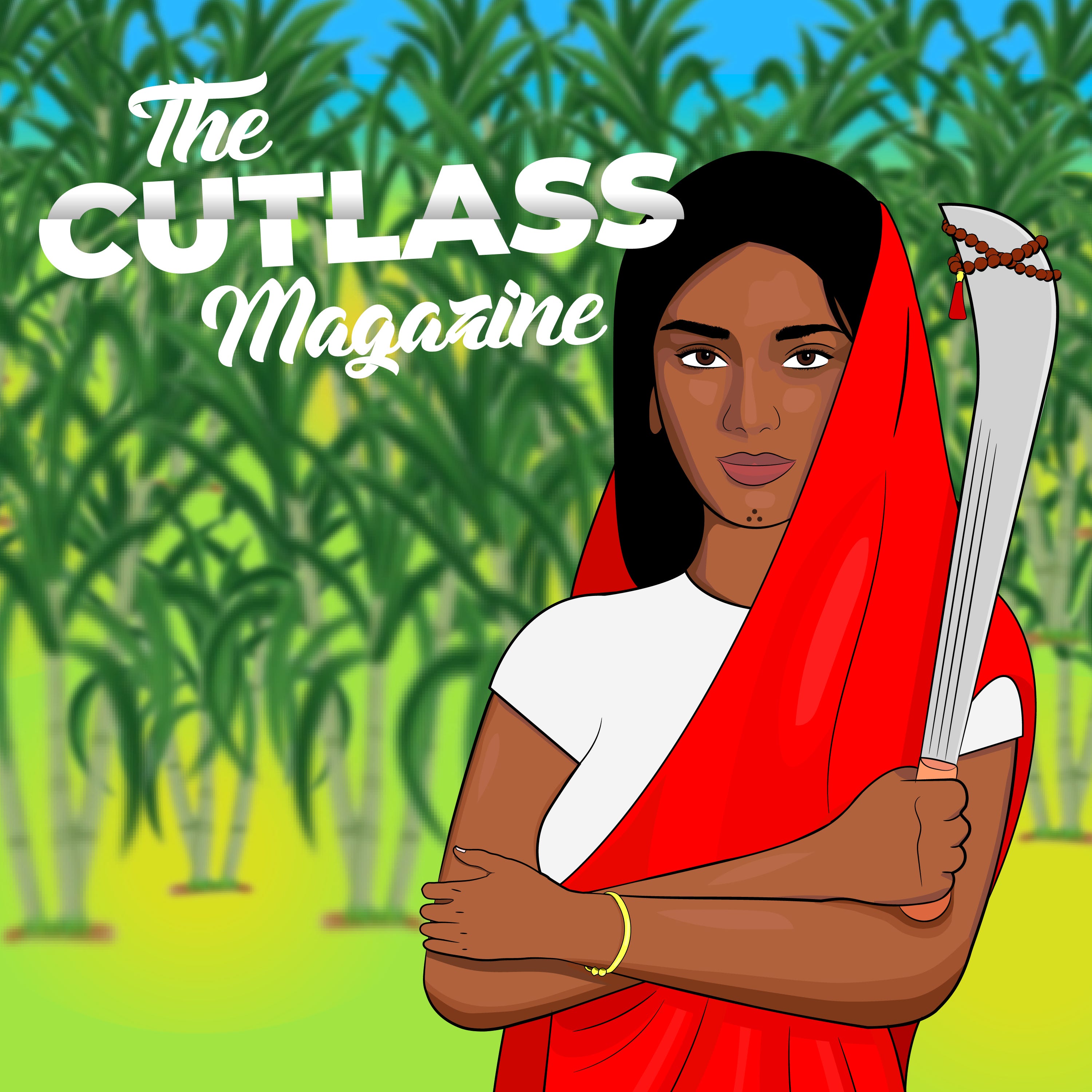
Indian indentureship is a part of South Asian and Caribbean history that has not been given the platform it deserves. Often times reduced to a few bullet points in regional education curriculums, most descendants are not properly educated about the generations who came before them.
When the Slavery Abolition Act was passed by Great Britain in 1833 after enslaved Africans fought for their liberation, European colonisers scrambled to find a new labour force to exploit to protect their economic interests in the Caribbean. They devised the system of indentureship, introducing contract terms and meager wages to distinguish this new scheme. At first they turned to China but transportation proved to be too expensive and this attempt did not yield desired results.
Over time other groups of workers came to the West Indies. Irish planters. Portuguese labourers. Syrian and Lebanese merchants. But once the British set their sights on India as a new conquest, there was no turning back. Indentured servitude in the Caribbean began in 1838, halting after a rough start, before being rebooted in 1845 and ultimately petering out by 1917 when it officially ended. These eight decades of mass migration led to roughly two million Indian men, women, and children being displaced from their homeland during the British Raj era of colonisation.
Today the global post-indentureship community is at a crossroads. After generations Indians have cemented themselves in the fabric of the Caribbean, the Pacific Islands, Africa, and other regions of the world beyond the subcontinent. Political oppression and economic instability in these various countries has produced a secondary migration to the United States, United Kingdom, Canada, New Zealand, and Australia. The population of the diaspora in some cases is the same or larger than their counterparts back home. As the generations whose parents and grandparents were directly from India pass away, taking their oral histories with them, and traditions continue to be undocumented; there is the looming risk of rich ancestral rituals dying out with no way to preserve them.
In the midst of an international pandemic, The Cutlass Magazine was founded in August of 2020 to help celebrate, preserve, and dissect Indo-Caribbean culture, history, and identity while also building bridges with other communities forged by Indian indentureship in South Africa, Fiji, Mauritius, and beyond. While originally intended to solely be an audio podcast, TCM organically transformed into a social media platform on Instagram, Facebook, TikTok, Twitter/X, and Threads with over 100,000 followers across channels. Operated from a progressive lens, it was created to be a hub of community and culture, spotlighting other content creators, organisations, local events, small businesses, etc.
No matter what the future holds, TCM will always uplift persons in the community. Due to the uncertainty of social media these past couple of years, The Cutlass Magazine is proud to now be on Substack where longer posts can be made and followers of TCM can submit articles as contributing writers. No more algorithms and words counts to limit the depth and reach of our content. This is only an introduction, please be sure to subscribe to this feed and share with your friends and family.
If you are not already following The Cutlass Magazine (TCM): https://linktr.ee/cutlassmagazine
Why subscribe?
Subscribe to get access to The Cutlass Magazine’s latest articles, personal archives, and community.
How to stay up-to-date?
Never miss an update or article. Every new post is sent directly to your email inbox. For a spam-free, ad-free reading experience, plus our audio and community features, download the Substack app.
